
One morning I woke up with an aching middle back and, as any person does, decided to visit the internet for self-diagnosis. Of course, you always are presented with the worst-case scenarios. Even though I could not accurately determine my ailment, it got me thinking about my kidneys. Having a family history of kidney issues, I decided to see what I could do to ensure my kidneys were working in top shape. Kidney pain is felt higher and deeper in the body than traditional back aches, usually under your rib cage. Unlike back discomfort, it is felt on one or both sides and is a constant throb. Kidney pain may result from something as simple as a kidney stone.
So, what are kidneys?
These two bean-shaped organs are located below the ribs on either side of your spine and are about the size of your fist. Despite this small size, approximately 25 percent of the heart’s blood flows through them. Each kidney contains about a million filtering units called nephrons. Blood enters the kidneys and reaches the smaller vessels until it comes to the nephrons. The nephrons then direct the blood to the glomerulus, tiny clusters of looping blood vessels. The thin walls of the glomerulus allow waste, water, and smaller molecules to pass into the tubule, a filtration vessel that returns nutrients, fluids, and other substances that have been filtered from the blood back to the blood. The remaining fluid and waste become urine.
Kidneys are also crucial in maintaining the osmolarity in our bodies, a measurement of how many particles dissolve in the body’s fluids. Kidneys maintain this balance by regulating the body’s water volume. The kidneys control the amount lost through urine through the antidiuretic hormone (ADH). When your levels are low, you feel thirsty. When your levels are high, ADH is no longer produced, and the kidneys receive a signal to allow for increased fluid loss.
Aside from cleaning your body, kidneys also help to maintain the right arterial blood pressure. When blood pressure rises, it puts extra strain on your heart and arteries. With time, this strain thickens the arteries, leading to other issues like heart attack, dementia, or heart disease. Kidneys regulate the fluid levels that can lead to blood pressure.
There are many more things these little powerhouses are responsible for in your body, like the production of enzymes that maintain long-term blood pressure, the control of the production of red blood cells, and the metabolization of Vitamin D in the body with the liver. Suffice it to say your kidneys are an essential part of your body, and you should take care of them.

The Kidney Diet
If you have a family history of kidney issues, as I do, it would be good to watch out for foods that may aggravate your kidneys and possibly lead to kidney disease. Of course, it is always important to have your family doctor check your kidneys during your annual check-up to ensure everything is functioning as it should. Even with the medical exam, you can do some things to ensure your kidneys stay healthy.
Proteins: We all need to eat protein, but some of us may require less than others. If you are at risk of developing or already have kidney disease, you should watch the amounts of proteins you consume. Kidneys have difficulty clearing out the waste products from protein metabolism. The exact amount of protein depends on your body size and kidney problem. For example, someone on dialysis needs more protein as dialysis removes the protein waste from the blood. Always ask your healthcare professional how much you should consume before cutting any out of your diet.
Potassium: Potassium plays many critical roles in the body, but it can produce dangerously high blood levels. People concerned about their kidneys should limit their intake to less than 2,000 mg daily. Choose low-potassium fruits, such as apples and berries, instead of bananas and watermelon. The same goes for vegetables and bread. Pita bread and tortillas are a better choice than a white baguette.
Phosphorous: Phosphorous helps strengthen your bones and teeth, produce energy, and build cell membranes. Damaged kidneys, however, cannot remove excess phosphorous from the body. High levels of phosphorous, a mineral found in many foods, can actually cause damage to your body. Medical professionals use this level in your blood to measure how your kidneys function. Most people will consume about 800 to 1,200 mg of phosphate daily in their foods. With kidney issues, one should reduce this amount. Because phosphorous is in so many foods, checking the product label is always a good idea. However, you can avoid certain foods such as fast foods, processed cheeses, processed spreads, frozen meats (that have added fluids or phosphorous to keep them moist), and colas. Instead, choose to prepare foods at home, substitute processed cheese slices for cheddar, and use almond or rice milk instead of dairy milk. If you desire a soda, stick to ginger ale over colas.
Carbohydrates: Carbohydrates are the body’s fuel source, but high carbohydrate consumption is associated with promoting insulin resistance, leading to diabetes and obesity. Both diabetes and obesity can result in kidney issues. Studies are still occurring to show the direct impact of carbohydrates on kidney function; however, limit your carb intake for overall body health. Generally speaking, 3 to 6 servings of 15-gram carbohydrate foods at meals are recommended.
Fats: The human body does need fat to survive. Not only is it an energy source, but it helps form the protective sheath that surrounds our nerves. It also regulates the production of some hormones in our body. Even though we need fat, there is good fat and bad fat. Avoid butter or margarine when cooking, and use unsaturated fat like olive oil.
Sodium: Sodium, or salt, is found in many foods and is a red flag for people with kidney issues. Kidneys cannot filter out sodium, and an intake of excess sodium will cause blood levels to rise. As a general rule, you should consume no more than 1,500mg per day. According to the American Heart Association, your body needs very little sodium to function properly – less than 500 mg daily or ¼ teaspoon. Since everything you buy has sodium added, read the package label to choose low-sodium (140mg or less) or sodium-free products.
Your Top Food Choices
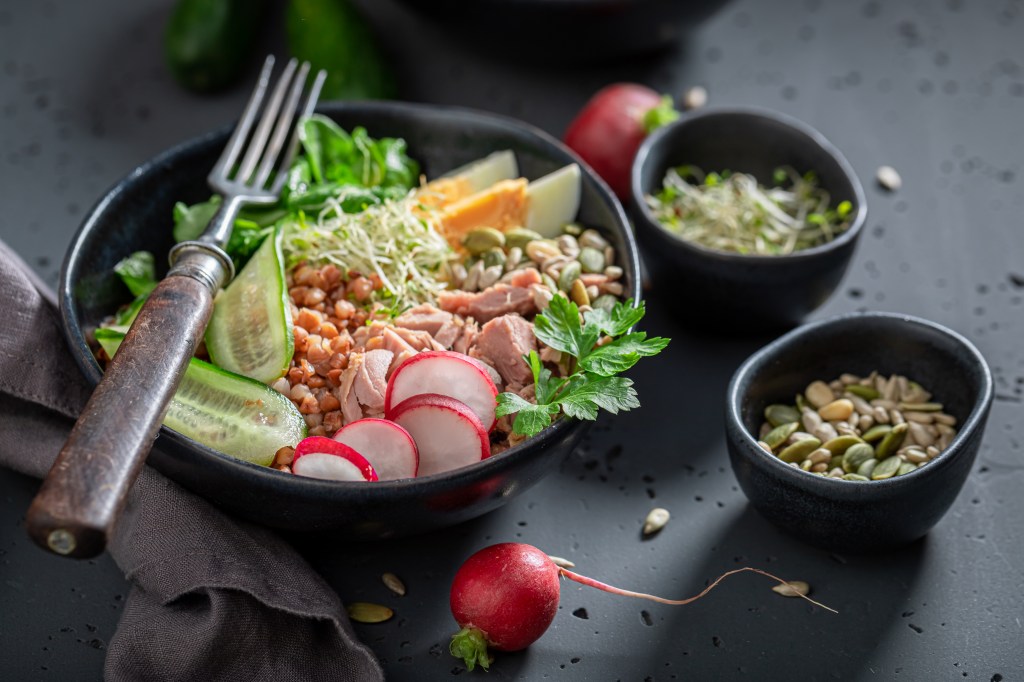
Given the complexity of eating, it is always good to watch for kidney-friendly foods. Remember, fresh, not frozen, home-cooked, not store-bought, and, of course, less is more. Canada’s Food Guide recommends half your plate be vegetables and fruits, one-quarter of whole grain foods, and one-quarter of protein foods.
Fruits and Vegetables
Cauliflower: Cauliflower is a vegetable with many nutrients, and good for your kidneys. It makes an excellent substitution for potatoes as a side. Its anti-inflammatory compounds help prevent cellular stress and slow digestion to prevent blood glucose surges. One cup of cauliflower contains only 19mg of sodium, 176mg of potassium, and 40mg of phosphorus.
Cabbage: Cabbage is loaded with vitamins and minerals and helps keep your digestive system healthy. Along with that, it is low in sodium (13mg per cup), potassium (119mg per cup), and phosphorous (18mg per cup). Use it to make Greek Maporiso and replace the rice with bulgar wheat to make it even healthier.
Red Peppers: Peppers are low in sodium, potassium, and phosphorus yet contain many other essential nutrients. For example, one small red pepper contains 105% of the recommended daily Vitamin C intake. They are also high in Vitamin A, an essential nutrient for the immune system, something that is often compromised in people with kidney disease.
Blueberries: I’ve talked about these little powerhouses before. Blueberries are the best source of antioxidants you can eat, particularly ones that help protect against heart disease and diabetes, two leading causes of kidney failure. One cup of blueberries has only 1.5mg of sodium, 114mg of potassium, and 18mg of phosphorous.
Red Grapes: Another alternative to blueberries is red grapes. Red grapes are high in a flavonoid called resveratrol that benefits heart health and helps protect against diabetes. A half-cup contains only 1.5g of sodium, 144mg of potassium, and 15mg of phosphorus.
Need some other healthy choices? Eat foods with apples, blackberries, strawberries, raspberries, cherries, cranberries, pineapple, grapefruit, plums, peaches, green beans, wax beans, peas, Shitaki mushrooms, cucumber, eggplant, kale, arugula, onions, parsley, rhubarb, radishes, watercress, zucchini, asparagus, celery, or corn.
Proteins
Sea Bass: When talking about protein intake, sea bass is an excellent choice. It is incredibly high in healthy omega-3 fats and contains lower phosphorous levels than most other fish. It is, however, a bit higher on the sodium level, with 74mg in a three-ounce portion. This same portion contains 279mg of potassium and 211mg of phosphorous.
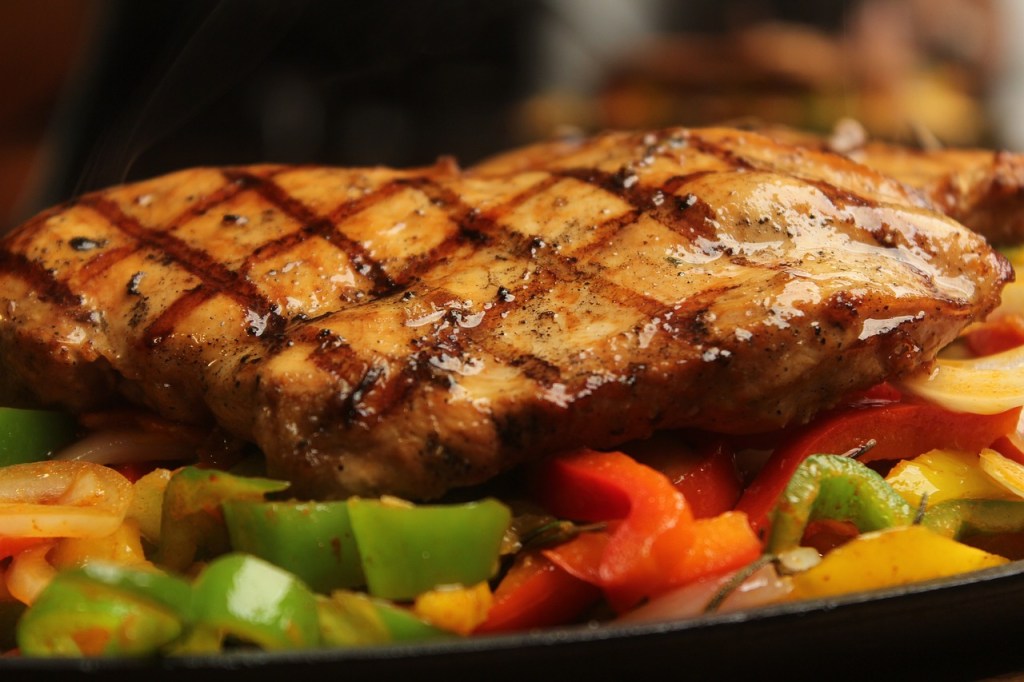
Chicken: When choosing chicken, stick to the breast meat and keep it skinless. Avoid pre-made roasted chicken as it contains large amounts of sodium and phosphorous. A boneless, skinless chicken breast contains approximately 0.75 grams of sodium per gram of chicken breast, 2.6 grams of potassium, and 2.3mg of phosphorus. Use it to make delicious chicken souvlaki or grilled chicken.
Egg Whites: Egg whites provide a good source of protein but remain extremely low in phosphorous, making them an excellent choice if you are concerned about your kidneys (only 5mg per egg white.) They are also low in sodium (55mg) and potassium (54mg.)
Fats and Flavorings
Olive Oil: People with kidney disease often have trouble keeping weight on, and it is important to have fat in their diets, but it must be healthy. Olive oil is an excellent choice. Phosphorus-free olive oil is a monounsaturated fat, which means that it is stable even at high temperatures. One tablespoon contains only 0.3mg of sodium and 0.1mg of potassium.
Garlic: Since sodium is a big no-no for kidneys, flavoring food becomes hard. Garlic is an excellent alternative to adding flavor without sodium. Aside from being low in sodium (0.5mg per clove), it has many other nutritional benefits. It is also low in potassium (13mg) and phosphorous (<5mg.)
Grains and Nuts
Buckwheat: As a rule, choosing whole grains is far more beneficial nutritionally; however, most are high in phosphorus. Buckwheat is an exception to this rule. A half-cup contains 3.5mg of sodium, 74mg of potassium, and 59mg of phosphorus. If you need to eat carbs, this would be your first choice.
Bulgar: Bulgar is another whole-grain choice that is kidney-friendly. Packed with dietary fiber, it is also a good source of many other nutrients. A half-cup contains 4.5mg of sodium, 62mg of potassium, and 36mg of phosphorus.
Macadamia Nuts: Most nuts are high in phosphorus; however, macadamia nuts are much lower than others. Full of healthy fats and a host of other nutrients, macadamia nuts contain 1.4mg of sodium, 103mg of potassium, and 53mg of phosphorus per 28g serving.
Foods to Avoid
Foods that are high in potassium, like dried apricots, bananas, oranges, bran, granola, chocolate, dates, prunes, raisins, lentils, beans, milk, yogurt, molasses, most nuts and seeds, peanut butter, and avocados, are all foods to avoid. Those high in phosphorus include beer, chocolate, and dairy products such as cheese, milk, ice cream, yogurt, organ meats, oysters, and sardines. With kidney issues, you should also limit the consumption of vegetables like artichokes, beets, broccoli, Brussels sprouts, carrots, spinach, squash, potatoes, and tomatoes.

When to Be Concerned
Kidney disease gets classified in stages from 1 to 5, and as it progresses, more and more symptoms begin to arise. To determine the stage, doctors use eGFR (estimated glomerular filtration rate) or how much creatinine (a waste product) is in your blood. It is always essential to take care of your kidneys so they don’t progress past Stage 3. With age and other health issues, this may not always be possible. You can, however, try your best to keep them as healthy as possible for as long as possible.
Stage 1: Kidney damage is mild in this stage, with an eGFR of 90 or greater. They still work well; however, you may experience higher blood pressure, swelling in your hands and feet, and UTIs. Tests will reveal protein in your urine and possibly blood. Although any damage done to your kidneys is not reversible, you can keep them at this stage as long as possible if you watch what you eat.
Stage 2: At this stage, your eGFR is between 60 and 89. You have much the same symptoms as in Stage 1, with damage that visibly shows up in an ultrasound or CT scan. At this stage, a kidney-friendly diet is even more critical to help slow down the progression of the disease. An eGFR of 60 or more is considered a typical average.
Stage 3: At this stage, your eGFR is between 30 and 59. Your body is beginning to experience the trauma of kidney disease, and you may experience high blood pressure, anemia, and bone problems. Doctors split this stage into two sub-stages: 3a – eGFR between 45 to 59 and 3b – eGFR between 30 and 44. Once again, there is no cure for damage to your kidneys, but you can avoid moving to Stage 4 or 5, which is considered kidney failure. People at this stage often feel weak, have swelling in their hands and feet, have skin that is itchy or dry, have trouble sleeping, urinate more often, and experience cramps and lower back pain. Doctors will probably prescribe diuretics to help with the swelling, iron supplements, calcium, Vitamin D, blood pressure medicine, or diabetes medicines, depending on the situation.
Stage 4: At this stage, your eGFR has lowered to between 15 and 29. This stage is the last before kidney failure and means your kidneys are severely damaged. Waste products may build up in your blood, causing other health problems, including heart disease. Much of the same symptoms occur as with Stage 3, in addition to a loss of appetite. As with the previous stage, a doctor will prescribe medication dependent on each situation, in addition to a strict diet.
Stage 5: This is the final stage of kidney failure with an eGFR lower than 15. At this stage, your kidneys are very close to total failure or have already failed. The only option is dialysis or a kidney transplant to live.
Look for the warning signs – changes in urination, fatigue, itching, swelling, shortness of breath, decreased appetite, puffiness around your eyes, high blood pressure, and pain in the small of your back. If any of these occur, contact your family physician for a check-up.
Changes in urination: When kidneys don’t function well, you may need to urinate more often, experience foamy or bubbly urine, or see blood in your urine. This symptom could be an early sign of protein getting into your urine due to damaged kidneys.
Fatigue: Reduced kidney function can lead to a build-up of toxins in the blood. These toxins cause you to have a lack of energy or feel tired.
Itching: Dry and itchy skin may indicate an imbalance of nutrients in your body due to high phosphorus levels. It also shows that your kidneys may not function as they should.
Swelling: Your body cannot remove excess fluid if your kidneys are not functioning correctly. The swelling usually occurs in the hands, legs, or feet.
Shortness of Breath: If your kidneys are not removing enough fluid, it may also cause a build-up in your lungs, resulting in shortness of breath. Also known as CKD-induced anemia, your body experiences a shortage of oxygen-carrying red blood cells.
Decreased Appetite: Although this sounds wonderful (lose some weight fast), it truly is not. My mother suffers from CKD, and getting her to eat is a struggle. The toxins building up in your body are to blame.
Puffiness Around the Eyes: Protein leaking into your eyes may cause persistent puffiness around the eyes. This symptom is an early sign that your kidneys are having issues, so visiting a doctor for a follow-up is essential.
Back Pain: Unlike a back strain, this is a localized pain near your kidneys that does not change. It may also become worse when you move or stretch.
What Have I Learned?
Now, more than ever, I must take care of my kidneys. Given my family history, it is a no-brainer that I might experience issues later in life. However, I still have time to slow it down as much as possible. Eating healthy is the key. Eating healthy is always a good idea, regardless of what your genetics have in store for you.
 Patataki