
In a world where sustainability is increasingly crucial, your kitchen is a powerful place to enact change. By doing some very simple things, you will not only reduce our carbon footprint but help nurture the planet for generations to come. How simple is it? By just following a few simple rules, you will make an impact.
Understand Food Waste
Before you start thinking about ways to help, you must understand the significance of this issue. Food waste is a global issue, with millions of tons of food discarded annually. The impact is staggering, both environmentally and economically. According to the Food and Agriculture Organization of the United Nations (FAO), approximately 1.3 billion tons of food are wasted each year. This waste occurs at various stages of the food supply chain, from production to processing to distribution and consumption.
Food waste generates significant greenhouse gas emissions as it decomposes. The methane it produces contributes to climate change. Land cleared for food production can affect the ecosystem and biodiversity. Economically, food waste equates to wasted money spent on production, transportation, and distribution. This impacts the manufacturers, and ultimately, impacts the price you pay at the grocery store. Finally, with millions suffering from hunger globally, reducing food waste could potentially allow available foods to be utilized more efficiently rather than being wasted.

What Can I Do?
The first step in helping reduce waste starts with planning. Think about what you want to cook during the week, prepare a shopping list, and purchase only what you need. Don’t “stock up” on greens or fruits that won’t be used. This decreases the likelihood that your fresh produce may spoil.
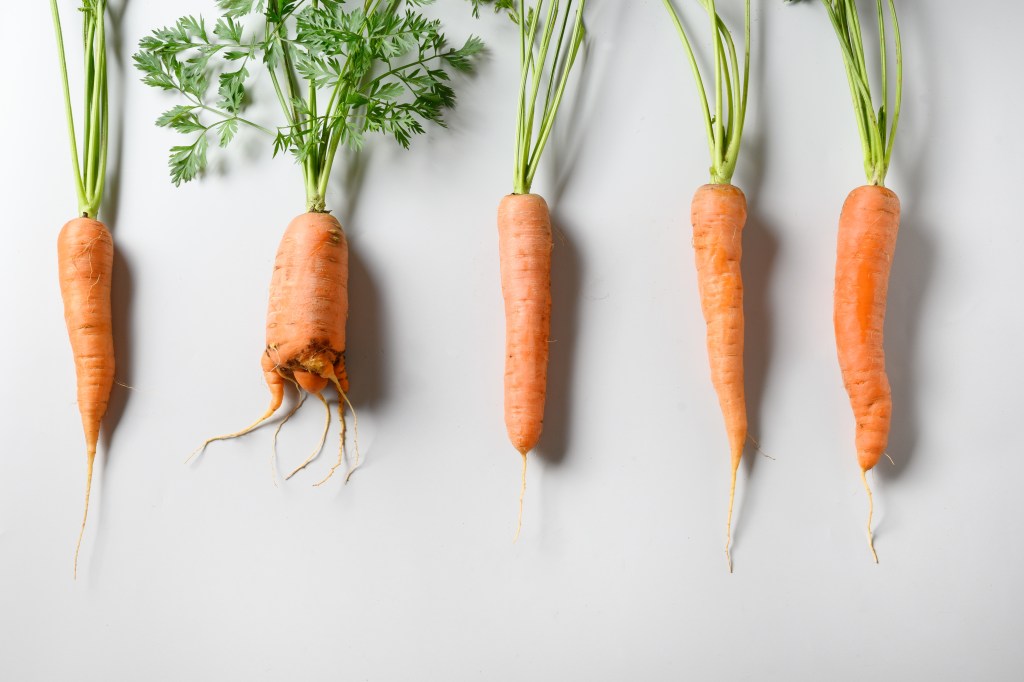
Next, use as much of the ingredients as possible. Use an onion or carrot skin to create a flavorful stock that you can freeze and use in other dishes. Root-to-stem cooking is a trend that chefs are taking to heart. One renowned chef, Dan Barber (co-owner of Blue Hill at Stone Barns in New York) is famous for his farm-to-table philosophy that showcases dishes that embrace the full potential of ingredients, including roots, stems, leaves, and parts of the vegetables often discarded.
Think about proper storage techniques. Understanding how to store different foods will extend their shelf life, including the use of airtight containers or freezing versus refrigerator storage. For example, did you know that ginger root can be frozen for up to five months? It is not an ingredient you will often use, and storing it in the freezer will preserve it for much longer than just in the refrigerator. (Just make sure to wash and dry it first and store it in a freezer bag or freezer-friendly container.)
Finally, repurpose or preserve your foods. Preserving foods through canning or pickling will not only prevent spoilage but will also allow you to enjoy seasonal produce all year long. Tomatoes are a great example. Canned properly, you can use them to make delicious sauces all year round. Additionally, use your leftovers to create new dishes. My mother would take leftover pasta and make a simple pasta casserole tossed with eggs and feta cheese the next day.
Take a Stand
Although your efforts will help with food waste, our policymakers must do so as well. Most political platforms will include some policies regarding helping the environment. Read up on what your local officials believe in and what their platform includes. Governments can enact policies to incentivize reducing food waste at various levels of production and consumption. They can support local and sustainable food sources, making it more likely that they can compete in the market alongside the bigger suppliers. It is up to you to help elect an official whose policy works towards a healthier planet.
Aside from your local political party, know the manufacturer you are buying from. Are they an organization that is concerned with minimizing waste? Do they have ethical production practices? Some companies are embracing technology for better food preservation and waste reduction. They are implementing better inventory management and distribution practices. Some are looking at imperfect produce as an opportunity rather than waste. One such company, Dieffenbach’s Potato Chips launched a line of Uglies Kettle Chips, made from surplus potatoes and spuds with cosmetic blemishes. Since its debut, it has saved 350,000 pounds of potatoes from going to waste.
You Do Make a Difference
By incorporating simple practices in your daily culinary routine, you can significantly reduce food waste and promote sustainability in your kitchen. Each small step contributes to a collective effort towards a healthier planet. Let’s cook with conscience, cherish our resources, and celebrate creativity in the kitchen. Through mindful cooking, you can make a world of difference – one meal at a time.
 Patataki